
How Microsoft Mesh's New VR Avatars Challenge Christian Developers to Foster Authentic Digital Presence
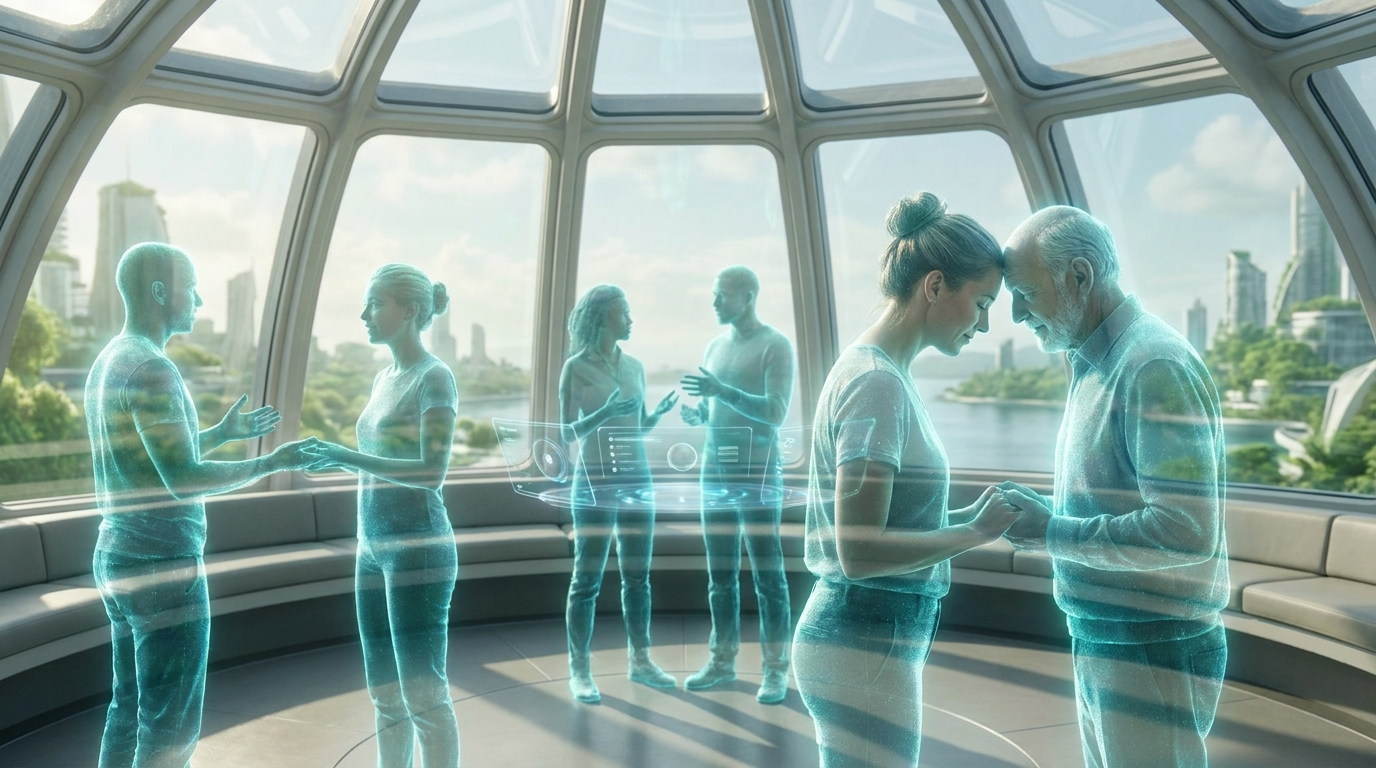
Microsoft Mesh Elevates Virtual Communication with Realistic Avatars
Microsoft recently introduced new life-like avatars for their Mesh platform, aiming to transform the way people interact in virtual environments. These avatars can mimic facial expressions and gestures via AI and motion tracking, making remote meetings feel more personal and immersive. Microsoft Mesh is intended to enhance collaboration across diverse devices — including HoloLens, VR headsets, PCs, and phones.
A Theological Reflection on Digital Presence and Authenticity
As Christian developers, the emergence of hyper-realistic avatars invites us to reflect on Biblical concepts of presence and authenticity. Scripture reminds us that God sees beyond the outward appearance to the heart (1 Samuel 16:7). Our digital selves, represented by avatars, can sometimes mask our true identity or intention. This tech encourages a deeper layer of intentionality: are our virtual representations faithful and transparent, or do they foster disingenuous facades?
But the Lord said to Samuel, 'Do not consider his appearance or his height... the Lord looks at the heart.' - 1 Samuel 16:7
Designing Avatars with Integrity and Compassion
For developers working within or alongside Christian communities, Microsoft Mesh’s capabilities open an opportunity and responsibility to design avatars that express empathy, respect, and genuine connection. How might we build features that avoid reinforcing stereotypes or encouraging deceptive behaviors? Could avatars be used as ministry tools to embody Christ-like compassion in virtual spaces, especially for those unable to meet physically?
Practical Suggestions for Ministry and Collaboration
- Leverage realistic avatars to host virtual Bible studies that feel personal despite geographic distance.
- Incorporate user-customizable options that reflect diverse cultures and identities with dignity.
- Encourage transparency about digital representation to prevent misunderstandings or ethical pitfalls.
- Explore Mesh’s cross-platform potential to include people using varying accessibility devices.
Conclusion
Microsoft Mesh’s avatar upgrade is more than a technological advancement — it’s a call for Christian developers to consider how virtual identities reflect the imago Dei. Embodying authenticity and love in our digital representations aligns with our faith and can build stronger, more honest virtual communities.
Ready to Start Your Project?
Let's discuss how I can help bring your web development vision to life. I'm here to answer your questions and provide expert guidance for your project.
Found this helpful?
Share it with others who might benefit